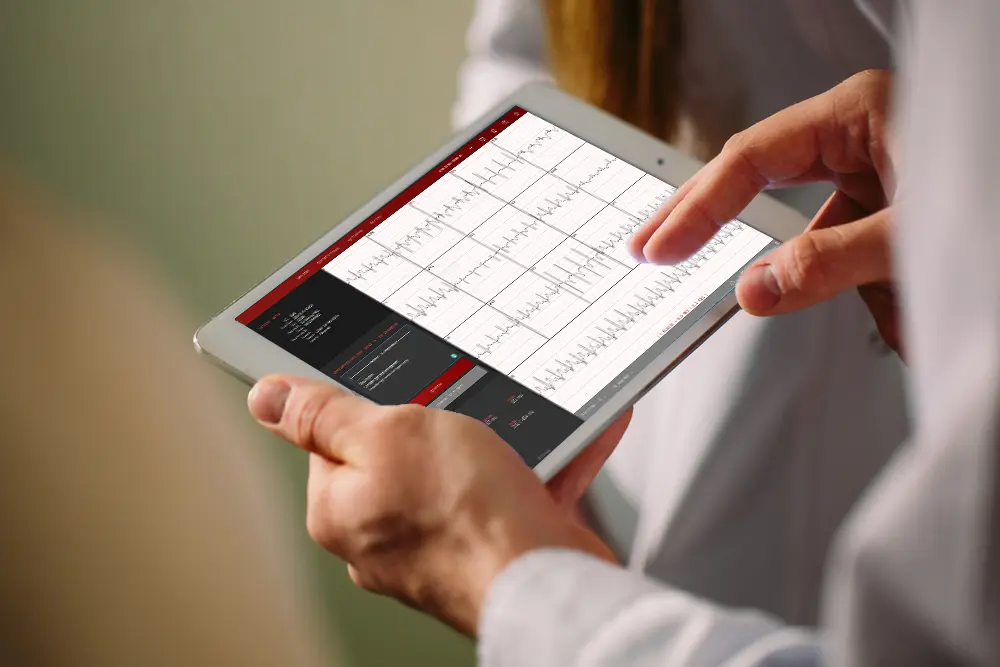
Selecting the right PACS (Picture Archiving and Communication System) is one of the most important technology decisions a healthcare organization can make. A well-designed PACS system does more than store images — it streamlines workflows, improves diagnostic accuracy, and connects care teams across departments.
But with so many options available, how do you know which solution is right for your practice, hospital, or health system?
Here are six key areas to evaluate when shopping for a PACS:
1. Reliability and Uptime
Downtime isn’t just inconvenient — it can delay care. Look for a PACS system that offers high uptime and seamless upgrades that don’t disrupt operations. Specific Cloud PACS solutions in particular can deliver continuous performance without the interruptions that come with older, on-premise systems.
2. Interoperability and Integration
Modern healthcare relies on data sharing. Your PACS should have a flexible architecture that can natively integrate with existing or new IT infrastructure, including EHR systems, third-party tools and solutions, reporting tools, and AI platforms. Support for HL7, FHIR, and open APIs ensures that your imaging system can evolve with your IT ecosystem, rather than creating silos.
3. Automation and Efficiency
Manual data entry and redundant clicks waste time. Advanced PACS systems offer:
- Automated measurement population across modalities
- Structured reporting with built-in templates
- Seamless AI integration and tools for decision support and faster turnaround times
- Relevant prior automatically retrieved when reviewing and reporting
The more tasks you can automate, the more time your clinicians can spend focused on patients.
4. Comprehensive Modality Support
Not all PACS platforms support the full spectrum of imaging. Make sure your system can handle:
- Radiology, cardiology, and vascular studies
- Invasive and non-invasive procedures
- DICOM and non-DICOM formats
- Visible light images
- Multimodality comparisons for longitudinal patient views
- Any study performed within your organization
This is particularly important for growing organizations that may expand their imaging capabilities over time.
5. Scalability and Cloud Readiness
Healthcare is changing quickly, and your PACS system should grow with you. A native cloud PACS provides elastic storage, geographic redundancy, and simplified disaster recovery. Whether you’re a single imaging center or a multi-hospital network, scalability is critical for long-term success.
6. Analytics and Outcomes Data
Beyond storing and retrieving images, leading PACS platforms provide robust analytics tools to track utilization, monitor quality, and prepare for value-based care. These capabilities turn raw data into actionable insights that drive better decisions and outcomes. PACS systems should also provide population and clinical based reporting tools to support accreditation and compliance.
Conclusion
When evaluating Picture Archiving and Communication Systems, keep in mind that the right choice should balance reliability, interoperability, automation, scalability, analytics, and most importantly, the PACS system should be a good fit for you and your organization. Each of these areas directly impacts your ability to deliver efficient, high-quality care.
See how these elements come together in practice. ScImage’s PICOM365® Cloud PACS is a platform designed to unify imaging workflows across radiology, cardiology, vascular, and more specialties while maintaining the highest standards of uptime, security, and interoperability.